Camera or lighting first for content creators Kenya
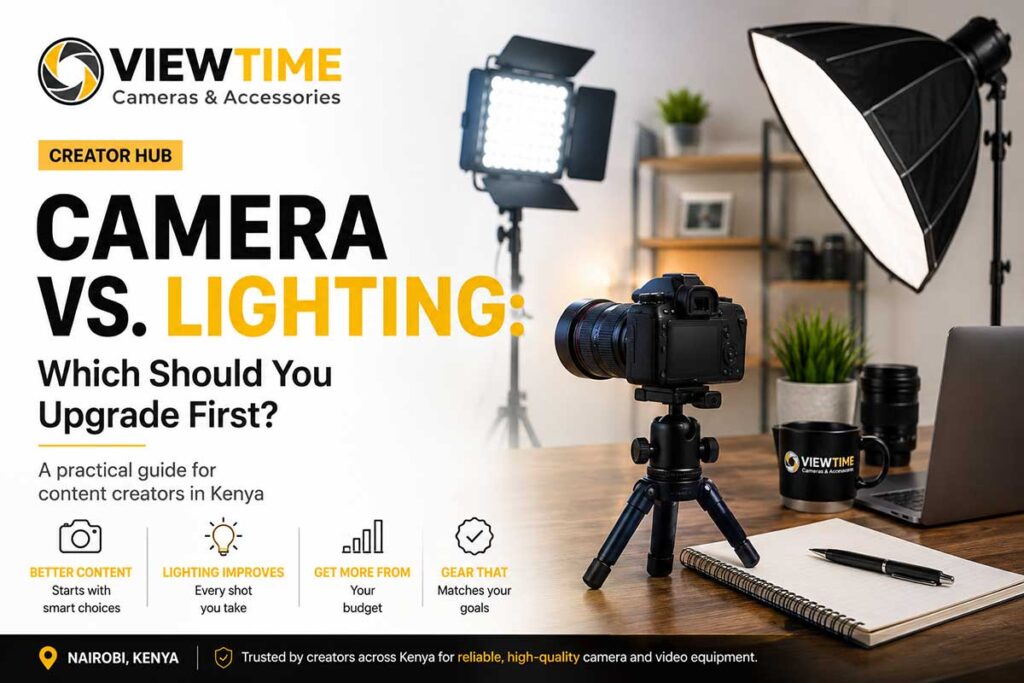
If you’ve been creating content for a while, chances are you’ve asked yourself one question at some point:
Should I buy a better camera first, or should I improve my lighting?
The short answer is this: for most content creators, better lighting will improve your content more than upgrading your camera.
That surprises many people.
We’ve met countless creators who believe the solution to dull videos or average-looking photos is a more expensive camera. Yet, after looking at their setup, the real problem is often poor lighting. A quality camera can’t fully compensate for harsh shadows, uneven exposure or dim indoor conditions.
That’s not to say cameras aren’t important. They absolutely are. But the order in which you upgrade your equipment can save you money while giving you noticeably better results.
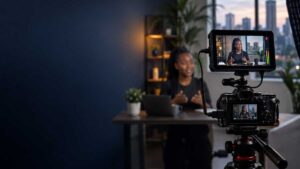
Whether you’re recording YouTube videos from your bedroom in Nairobi, photographing products for an online business, producing church livestreams or building your first podcast studio, understanding camera or lighting first for content creators in Kenya can help you invest wisely.
In this guide, we’ll explain how to decide where your money will have the biggest impact, the mistakes many beginners make, and how to choose equipment based on the type of content you create—not simply on what’s most expensive.
Why This Question Matters
One of the biggest misconceptions in content creation is that professional-looking content starts with an expensive camera.
Here’s the thing… A camera only records the light that’s available.
If the lighting is poor, even an expensive camera has very little to work with. On the other hand, good lighting can make surprisingly modest cameras produce impressive results.
Imagine recording two videos.
The first uses a premium camera in a dim room with a single ceiling bulb.
The second uses an entry-level camera positioned beside a properly diffused LED light.
Most viewers will naturally gravitate toward the second video because the lighting is cleaner, softer and more flattering.
That’s why many experienced creators recommend improving lighting before upgrading cameras.
Understanding What Each Upgrade Actually Does
Before spending your budget, it’s worth understanding what each investment solves.
Upgrading Your Camera Helps When:
Your current camera struggles in low light.
You need higher video resolution or frame rates.
You require interchangeable lenses.
Your autofocus regularly misses your subject.
You’re producing commercial or client work.
Upgrading Your Lighting Helps When:
Your videos look dark or grainy.
Your face has harsh shadows.
Product photos lack detail.
You create content at night or indoors.
You want more consistent image quality regardless of the weather.
Good lighting doesn’t replace a good camera—but it often allows your existing camera to perform much better than you expected.
Mini Creator Tip
Before spending money on a new camera, try improving your lighting for one week. Record the same type of content using better light and compare the results. You may discover that your current camera still has plenty of potential.
Camera vs Lighting: Which Gives the Bigger Improvement?
There isn’t a one-size-fits-all answer. The right upgrade depends on what you create, where you create it and the limitations of your current setup.
That said, if someone walked into Viewtime today with a limited budget and asked, “Should I upgrade my camera or my lighting first?” we’d usually start by asking a few simple questions.
Do you mostly shoot indoors or outdoors?
Are you filming during the day or at night?
Are you recording yourself, products or events?
What camera are you currently using?
Those answers often reveal that lighting—not the camera—is the biggest bottleneck.
When Lighting Should Come First
Lighting should be your priority if:
You create YouTube videos indoors.
You record podcasts with video.
You shoot product photography.
You livestream from a home office.
Your videos look noisy, dull or inconsistent.
Now imagine this…
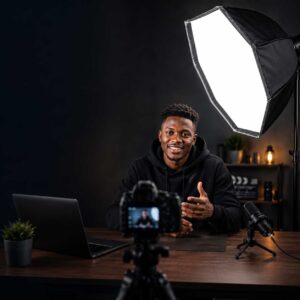
You’ve bought an expensive mirrorless camera, but you’re filming under a single ceiling bulb. Your face has shadows under the eyes, colours look flat and the background feels dark.
A new camera won’t solve those problems.
A quality LED light paired with proper diffusion often will.
That’s why many experienced creators invest in lighting before replacing a camera that is still perfectly capable.
When a Camera Upgrade Makes More Sense
Lighting isn’t always the answer.
If your current camera struggles to autofocus, produces soft images, limits your recording resolution or prevents you from shooting the type of work you want, upgrading the camera becomes worthwhile.
A camera upgrade makes sense when:
You’re photographing fast-moving subjects.
You need reliable autofocus.
You want interchangeable lenses.
You’re delivering professional work to paying clients.
Your current camera genuinely limits your creativity.
The important thing is understanding why you’re upgrading.
Buy equipment to solve a problem—not simply because something newer exists.
For most beginner and intermediate creators, improving lighting delivers a more noticeable visual improvement than upgrading to a more expensive camera.
Comparing Your Lighting Options
Option
Softness of Light
Ease of Use
Indoor Performance
Outdoor Performance
Cost
Best For
Natural Window Light
Excellent
Very easy
Excellent during the day
Limited
Free
Beginners, casual creators
Ring Light
Moderate
Very easy
Good
Limited
Low
Beauty creators, livestreams
LED Panel
Good
Easy
Excellent
Very good
Medium
Interviews, YouTube, photography
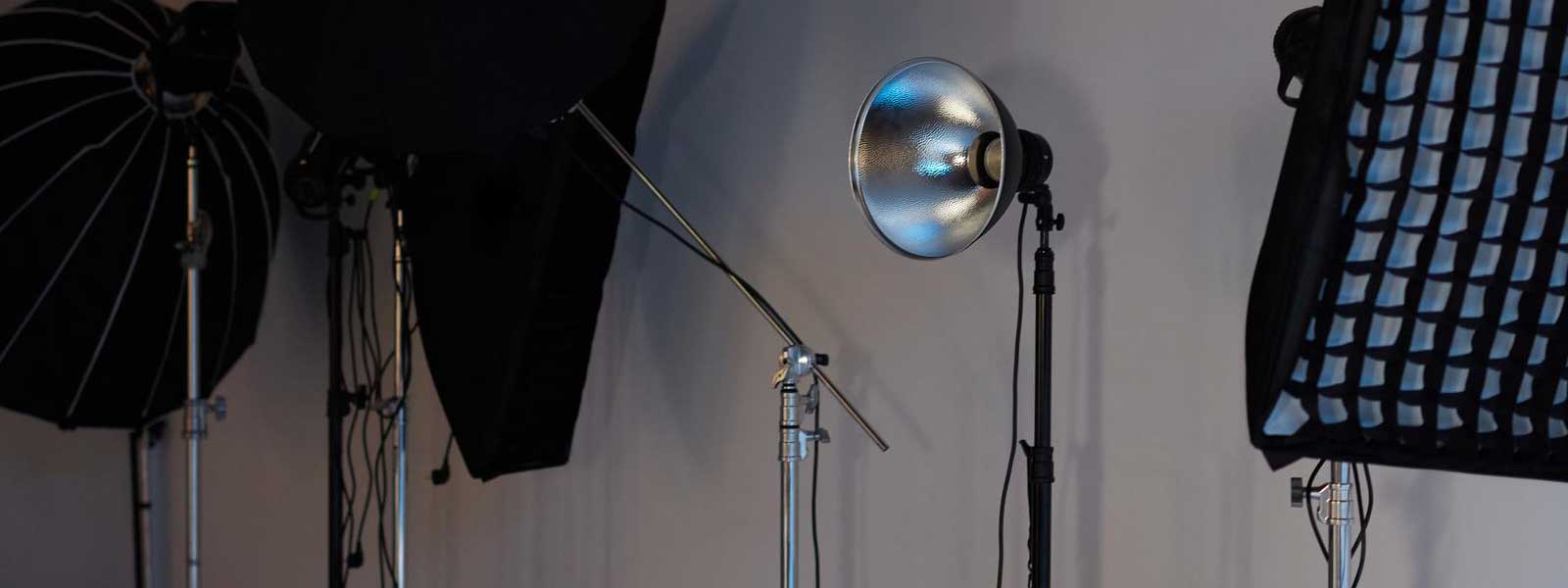
LED Panel with Softbox
Excellent
Moderate
Outstanding
Good
Medium to High
Professional creators, product photography, podcasts
Notice something?
There isn’t a “best” option.
Each serves a different purpose.
Choosing the right tool depends on the content you create—not on what’s most expensive.
A Common Creator Mistake
One pattern appears repeatedly when helping creators choose equipment.
Someone upgrades from an entry-level camera to a much more expensive model expecting dramatic results.
A week later, the videos still don’t look the way they imagined.
Why?
Because the room, the lighting and the overall creator setup stayed exactly the same.
A camera records what’s in front of it.
Lighting shapes what the camera sees.
That’s where many beginners get confused.
Mini Creator Tip
Before spending KSh 100,000 on a new camera, ask yourself: “If I improved my lighting today, would my current camera still meet my needs?” In many cases, the answer is yes.
That doesn’t mean you should never buy a better camera—it simply means you should upgrade in the order that gives you the biggest improvement for your budget.
Common Buying Mistakes
Buying a Softbox Before Improving Your Room
Even the best lighting struggles in a cluttered room with distracting backgrounds.
Start by improving your filming environment.
Choosing a Softbox That’s Too Small
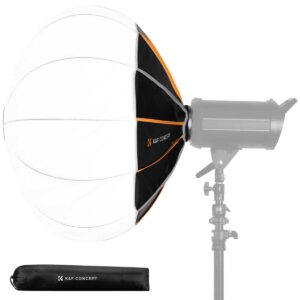
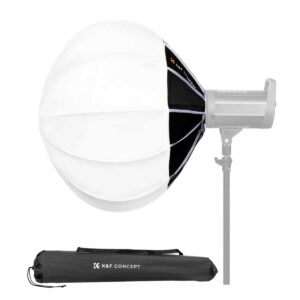
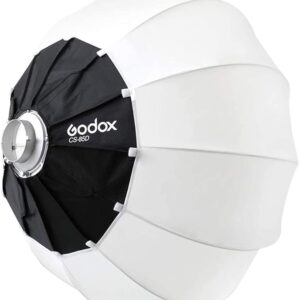
Small softboxes create harder shadows.
If space allows, a larger softbox usually produces softer, more flattering light.
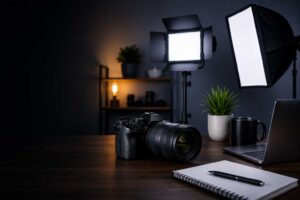
Ignoring the Quality of the LED Light
The softbox is only one part of the system.
Poor-quality LEDs can produce inaccurate colours regardless of how good the softbox is.
Pay attention to colour accuracy (CRI and TLCI ratings) when choosing lighting.
Buying the Cheapest Lighting Available
Cheap lighting often creates flicker, inconsistent brightness and unnatural colours.
Buying once and buying well is usually the better investment.
Forgetting About Portability
If you’re constantly filming on location around Nairobi or travelling for client work, large studio softboxes may become frustrating.
Compact LED lights may fit your workflow much better.
Not sure whether your next investment should be a camera or better lighting?
The team at Viewtime can help you choose equipment based on your current setup, your budget and the type of content you create—so you invest where it matters most.
Practical Recommendations: Upgrade Based on Your Goals
After helping many creators compare cameras and lighting, one thing becomes clear: the smartest upgrade isn’t always the most expensive one. It’s the one that removes the biggest obstacle from your current workflow.
Use this guide to decide where your next investment should go.
If this sounds like you…
Our Recommendation
I’m just starting my content creation journey.
Make the most of natural window light. If you create content regularly, add an entry-level LED light before upgrading your camera.
I upload YouTube videos or social media content every week.
Invest in a quality LED light with a softbox. Consistent lighting will improve every video you produce.
I’m a product photographer running an online business.
Prioritise lighting. A good softbox and high-quality LED light will produce cleaner, more professional product photos than a camera upgrade alone.
I’m filming interviews, podcasts or online courses.
Build a balanced setup with good lighting, a quality microphone and your existing camera. These upgrades often provide the biggest improvement.
I’m working professionally or shooting for clients.
Once your lighting is solid, upgrading to a higher-end camera becomes worthwhile, especially if you need advanced autofocus, better low-light performance or higher video quality.
The goal isn’t to own the most expensive equipment. It’s to build a setup that helps you create consistently good content.
Building a Smarter Creator Setup
One of the biggest lessons experienced creators learn is that great content rarely comes from a single expensive purchase.
Instead, it comes from balance.
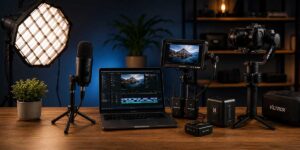
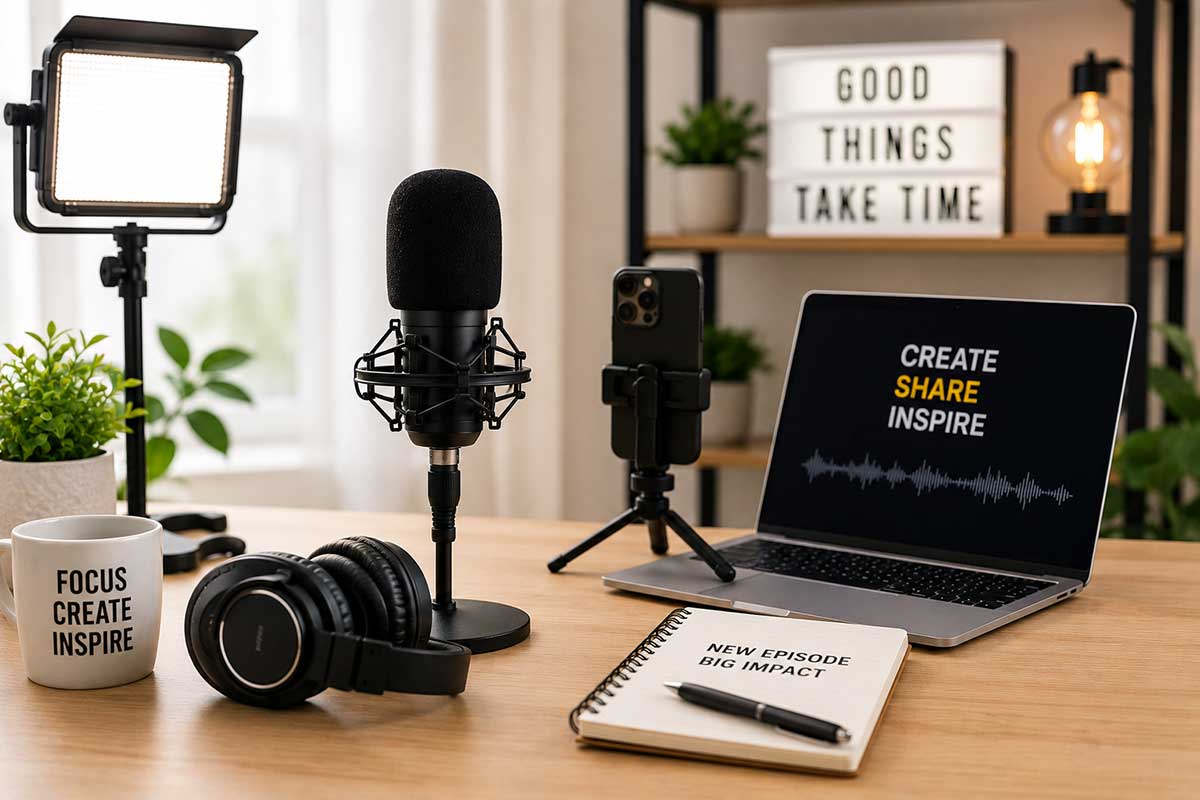
A well-planned creator setup often includes:
Reliable camera
Quality lighting
Clear audio
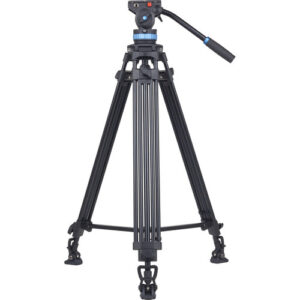
Stable support (tripod or gimbal)
Clean background
Basic editing skills
Notice that the camera is just one part of the equation.
When all these pieces work together, your audience notices the difference.
Not sure where to begin?
Rather than guessing, talk to a team that works with creators every day.
At Viewtime, we help photographers, videographers, churches, podcasters, livestreamers and businesses choose equipment that fits their goals and budget—not simply the most expensive option.
Trusted by creators across Kenya for reliable, high-quality camera and video equipment.
Frequently Asked Questions
1. Should I buy lighting before a better camera?
For many beginners, yes.
If your current camera is reasonably capable, improving your lighting often produces a much bigger improvement in image quality than upgrading the camera itself.
2. Can my phone produce professional-looking videos with good lighting?
Absolutely.
Modern smartphones paired with good lighting can produce impressive results for YouTube, TikTok, Instagram Reels and online courses.
3. Is natural window light enough?
If you create content during the day near a large window, natural light can work extremely well.
However, if you need consistency or regularly shoot at night, dedicated lighting becomes a worthwhile investment.
4. What’s better: a ring light or a softbox?
Neither is universally better.
Ring lights are simple, compact and ideal for livestreams and beauty content.
Softboxes provide softer, more natural-looking light and are generally better for interviews, product photography and professional video production.
5. How do I know it’s time to upgrade my camera?
Upgrade your camera when it genuinely limits your work—for example, if autofocus struggles, image quality no longer meets client expectations or you need features your current camera doesn’t offer.
6. Do professional creators still use softboxes?
Yes.
Many professional photographers, filmmakers and studios continue to use softboxes because they produce controlled, flattering light that is difficult to achieve with direct lighting alone.
7. Can I use one LED light with a softbox?
Yes.
For many creators, a single quality LED light paired with a softbox is enough to dramatically improve video quality.
As your projects become more demanding, you can expand to two or three-light setups.
8. Where can I get advice before buying creator equipment?
If you’re unsure which upgrade will benefit your workflow most, speak with the team at Viewtime Cameras & Accessories. We’ll help you choose equipment based on your current setup, the type of content you create and your available budget.
If you’ve been wondering whether to upgrade your camera or improve your lighting first, the answer comes down to solving the biggest limitation in your current setup.
For many creators in Kenya, better lighting offers the greatest improvement for the money. It enhances image quality, creates a more professional appearance and helps your existing camera perform at its best.
That doesn’t mean cameras aren’t important. They absolutely are. But upgrading thoughtfully, rather than impulsively, leads to better long-term results.
Whether you’re building a YouTube channel, photographing products, livestreaming church services or producing videos for clients, invest in equipment that addresses your real needs—not simply what’s trending.
The best creator setup isn’t the one with the highest price tag. It’s the one that helps you create confidently, consistently and with room to grow.
Before making your next purchase, ask yourself one simple question:
“Which upgrade will make the biggest difference to the content I create today?”
More often than not, that answer will guide you toward the smartest investment.



 OUT OF STOCK
 OUT OF STOCK
 OUT OF STOCK
 OUT OF STOCK
 OUT OF STOCK

 OUT OF STOCK